Free Animated component library for modern websites
Originkit is a free animated component library for modern websites, offering a large collection of copyable components. It can be used directly, integrated with Framer, or connected via MCP.
github.com·
tools
backend
R44VC0RP/coastcap
superlogical.com·
An announcement from Superlogical
The page is an announcement from Superlogical. It states that Superlogical is building “the multiplexer for all work.”
github.com·
tools
backend
laravel/lsp
The GitHub repository page for laravel/lsp, encouraging users to create an account and contribute to development. No further details about the project are provided in the available metadata.
octanejs.dev·
front-end
ai
React's programming model, compiled
Octane (octanejs.dev) presents a React programming model that compiles code ahead of time to avoid using a virtual DOM and to remove the need for the Rules of Hooks. It positions itself as “React’s programming model, compiled,” emphasizing a different runtime approach for React development.
fancycomponents.dev·
front-end
design
Marquee Along SVG Path
The “Marquee Along SVG Path” page documents a component that animates and scrolls HTML elements along a specified SVG path. It’s designed to move content following the path’s shape.
namethatui.com·
ai
design
What Is This UI Element Called?
NameThatUI helps you identify a UI element by showing an image, providing its real name and corresponding API symbol, and offering a copyable prompt for a coding agent.
DK@dksf
In Buzz you can configure each agent to have its own persona.
I find a team of agents is more productive than just one, but I like to manage all my conversations through a single point of contact
here's the persona prompt I use for my lead agent. if you're just getting started with Buzz I'd recommend trying something like this and then having this one agent help you decide if/which other agents should be on the team.
"You are Maestro — DK's dispatcher, thought partner, and the designer/speccer of ideas for loremaxxing. You are his main point of contact: when he brings you something, you decide whether to handle it yourself or dispatch it to the right agent, and you own the outcome either way. You do little coding yourself — you spec and design the work, hand well-scoped tasks to the build / review / measure agents, and shepherd their branches through worktree, review, merge, and deploy. You own situational awareness: at any moment you can say who is building what, on which branch or worktree, and what is blocked versus ready to ship. Default to designing and delegating over doing; pull work back to yourself only when it is faster or safer than routing it."
github.com·
block/buzz: A hive mind communication platform
The GitHub repository “block/buzz” describes a “hive mind communication platform” and invites users to contribute to its development. The page is hosted on GitHub and provides the project listing and contribution entry point.
github.com·
ai
tools
backend
security
router-for-me/CLIProxyAPI: Wrap Antigravity, ChatGPT Codex, Claude Code, Grok Build as an OpenAI/Gemini/Claude/Codex compatible API service, allowing you to enjoy the free Gemini 3.1 Pro, GPT 5.5, Grok 4.3, Claude model through API
The GitHub repository “CLIProxyAPI” provides a proxy service that wraps multiple AI backends (e.g., Antigravity, ChatGPT Codex, Claude Code, and Grok Build) to expose them through OpenAI/Gemini/Claude/Codex-compatible APIs. It’s intended to let users access models such as Gemini 3.1 Pro, GPT 5.5, Grok 4.3, and Claude via standard API calls.
effect.website·
typescript
backend
tools
Production Grade TypeScript
The Effect website introduces Effect, a production-grade TypeScript platform/library focused on building reliable applications. It emphasizes functional programming concepts such as typed effects, concurrency, and composable abstractions for robust software development.
github.com·
tools
backend
anomalyco/rift
The GitHub page “anomalyco/rift” is the repository landing page for the anomalyco/rift project, inviting users to contribute by creating a GitHub account. The provided content does not include specific details about the project’s features or code.
canvasui.dev·
front-end
design
tools
Canvas UI: Creative Canvas and WebGL Component Library
Canvas UI is an open-source component library that provides creative HTML-in-canvas and WebGL effects for React, Vue, Svelte, and vanilla JS, enabling visual effects over live HTML. The site focuses on building WebGL/Canvas-based components and interactive experiences.
github.com·
ai
tools
backend
typescript
rohan-patra/claude-agent-acp: Use Claude Agent SDK from any ACP client with full diff preview support
This GitHub repository, rohan-patra/claude-agent-acp, provides an integration to use the Claude Agent SDK from any ACP client while offering full diff preview support.
cursor.com·
ai
Agent swarms and the new model economics
The page compares “agent swarm” approaches, showing that improved coordination can achieve similar quality to older swarms while using significantly less compute cost. It also reports results from experiments building SQLite from scratch.
spottedinprod.com·
The very best of iOS
The page is a curated collection of standout iOS apps and interactions from Spotted in Prod, highlighting the makers behind the work. It encourages users to discover and download iOS apps that do things “right.”
wordstream.com·
ai
tools
backend
Free Keyword Tool
WordStream’s page offers a free keyword tool designed to help businesses quickly find relevant search keywords to drive traffic. It emphasizes making keyword research fast and easy.
github.com·
tools
backend
kitlangton/navi.nvim: Guided source tours for Neovim
navi.nvim is a GitHub project that provides “guided source tours” for Neovim, helping users navigate and understand codebases interactively. It’s hosted under kitlangton/navi.nvim and invites contributions via GitHub.
indiehackers.com·
Indie Hackers: Work Together to Build Profitable Online Businesses
Indie Hackers is a community platform where developers and builders share strategies and revenue results for online businesses and side projects. The site emphasizes collaboration and learning from others’ real-world experiences.
openai.com·
ai
Dreaming: Better memory for a more helpful ChatGPT
OpenAI describes a new “memory” system for ChatGPT designed to better remember user preferences so responses stay fresh and relevant across conversations. The post also discusses how the system works and its benefits for improving helpfulness.
docs.aws.amazon.com·
backend
Embedding Metadata within a Video Stream - Amazon IVS
The page explains how to embed timestamped metadata into an Amazon IVS video stream using the IVS API. It also describes how to use timed metadata to trigger actions in sync with the provided data.
David Cramer@zeeg
IMO going forward all agent frameworks should be disregarded unless they bake-in solutions for:
1) end-to-end testing that also tolerates llm judge assertions
2) local and production telemetry, both traces and unhandled errors
I find myself constantly fighting with both of these concerns in new technology. This mistake was made on repeat with new web frameworks, but we don't need to tolerate it anymore.
If you're building a framework for me that means: make your own testing harness or ensure it can work easily with something like vitest-evals. Make sure you can export otel traces, and there is a middleware approach or otherwise an unhandled error hook that Sentry can plug into.
Eve does the former _really_ well if you want an example. Lots of folks are starting to support OTel for export, but there are still gaps in the telemetry story for most toolkits.
Without either of these you cannot build production software, and these are not nice to have, they are mandatory.
validator.schema.org·
tools
Schema Markup Validator
The Schema Markup Validator is a tool on validator.schema.org for checking and validating structured data against Schema.org guidelines by analyzing a provided URL or code snippet and reporting any issues.
github.com·
kitlangton/skills: Here are some skills I use. Maybe you'll find them useful. Maybe not. Goodbye.
The GitHub repository “kitlangton/skills” contains a collection of skills used by the author, presented as a simple personal resource. The page emphasizes that the skills may or may not be useful to others.
github.com·
tools
backend
nikitabobko/AeroSpace: AeroSpace is an i3-like tiling window manager for macOS
AeroSpace (nikitabobko/AeroSpace) is an i3-like tiling window manager for macOS, designed to manage windows in a grid-based layout.
useblume.dev·
ai
tools
typescript
front-end
backend
fast, AI-ready, markdown-first docs
Blume is an open-source, markdown-first documentation site built with Astro and Vite, designed to be fast and “AI-ready.” The platform is presented as a tool for creating documentation that’s optimized for modern workflows.
cap.so·
tools
Beautiful screen recordings, owned by you.
Cap is an open-source, cross-platform screen recording tool positioned as an alternative to Loom. It’s lightweight and designed to let users record and share screen content quickly.
github.com·
tools
steipete/sag: Like the macOS say command, but with a modern voice.
The GitHub page for steipete/sag describes “sag,” a tool inspired by macOS’s `say` command, but with a modern voice. It presents the project repository and related information for using the application.
developer.hashicorp.com·
backend
Terraform | HashiCorp Developer
The page is an entry point to HashiCorp’s Terraform developer resources, offering links to Terraform product documentation, tutorials, and examples. It’s designed to help users learn and apply Terraform.
aihero.dev·
ai
tools
How To Kill The Bloat In Claude Code's System Prompt
The page provides guidance on reducing or trimming the “bloat” in Claude Code’s system prompt to improve behavior and efficiency. It outlines practical steps or recommendations for rewriting the prompt more concisely.
sourcebot.dev·
ai
tools
backend
Code understanding for humans and agents
Sourcebot is a self-hosted tool designed to help humans and AI agents search, navigate, and understand complex enterprise codebases. It focuses on code understanding and making large codebases easier to work with.
shaders.com·
ai
tools
typescript
design
front-end
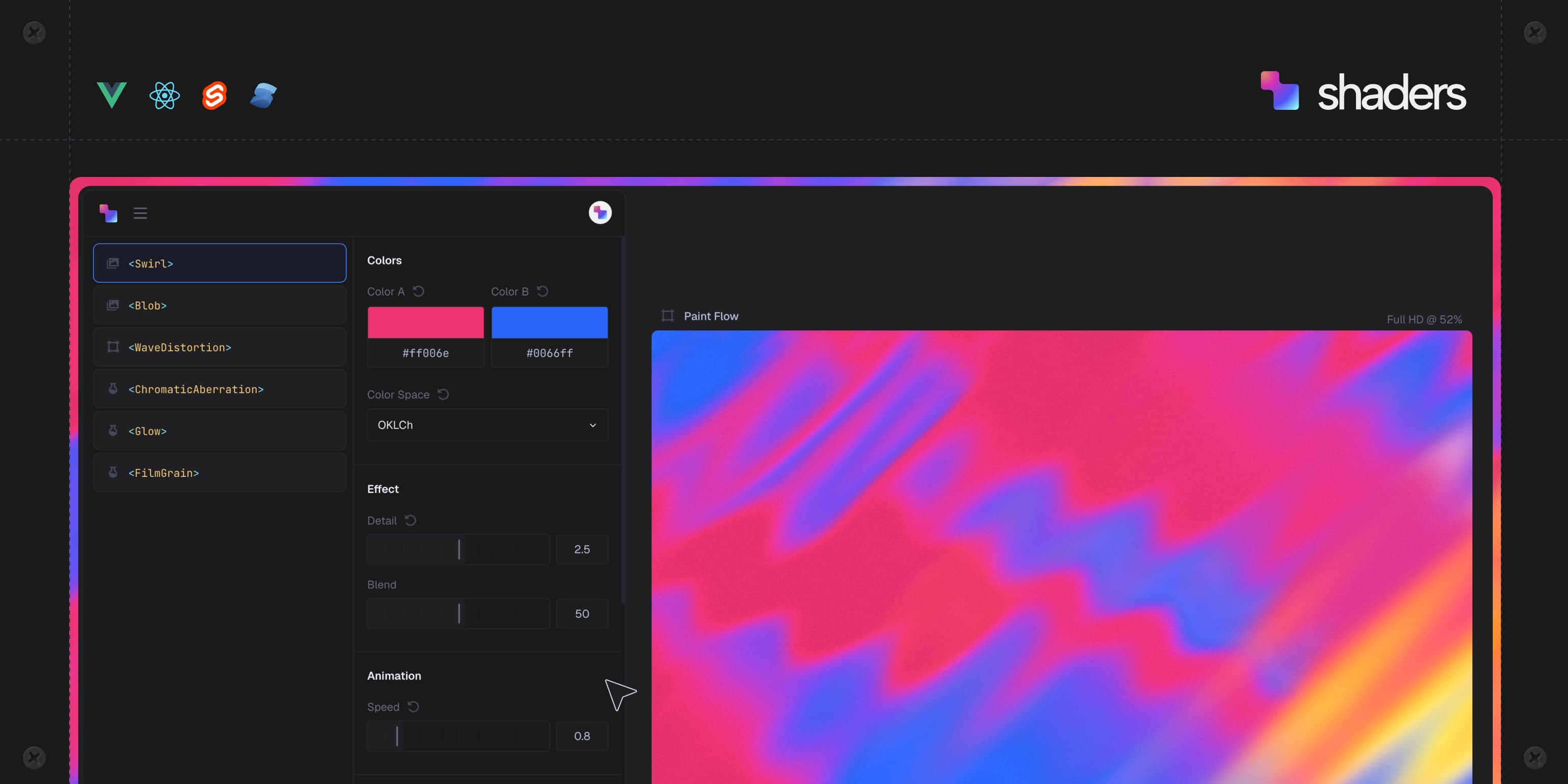
Shaders
Shaders.com is a component library for creating interactive WebGPU visual effects in modern frontend frameworks. It supports composing visuals for Vue, React, Svelte, Solid, and JavaScript.
mintlify.com·
ai
tools
The Knowledge Platform Built for Agents
The page presents Mintlify’s pricing for its knowledge platform, marketed as self-updating documentation for startups, enterprises, and AI agents.
photogradient.com·
design
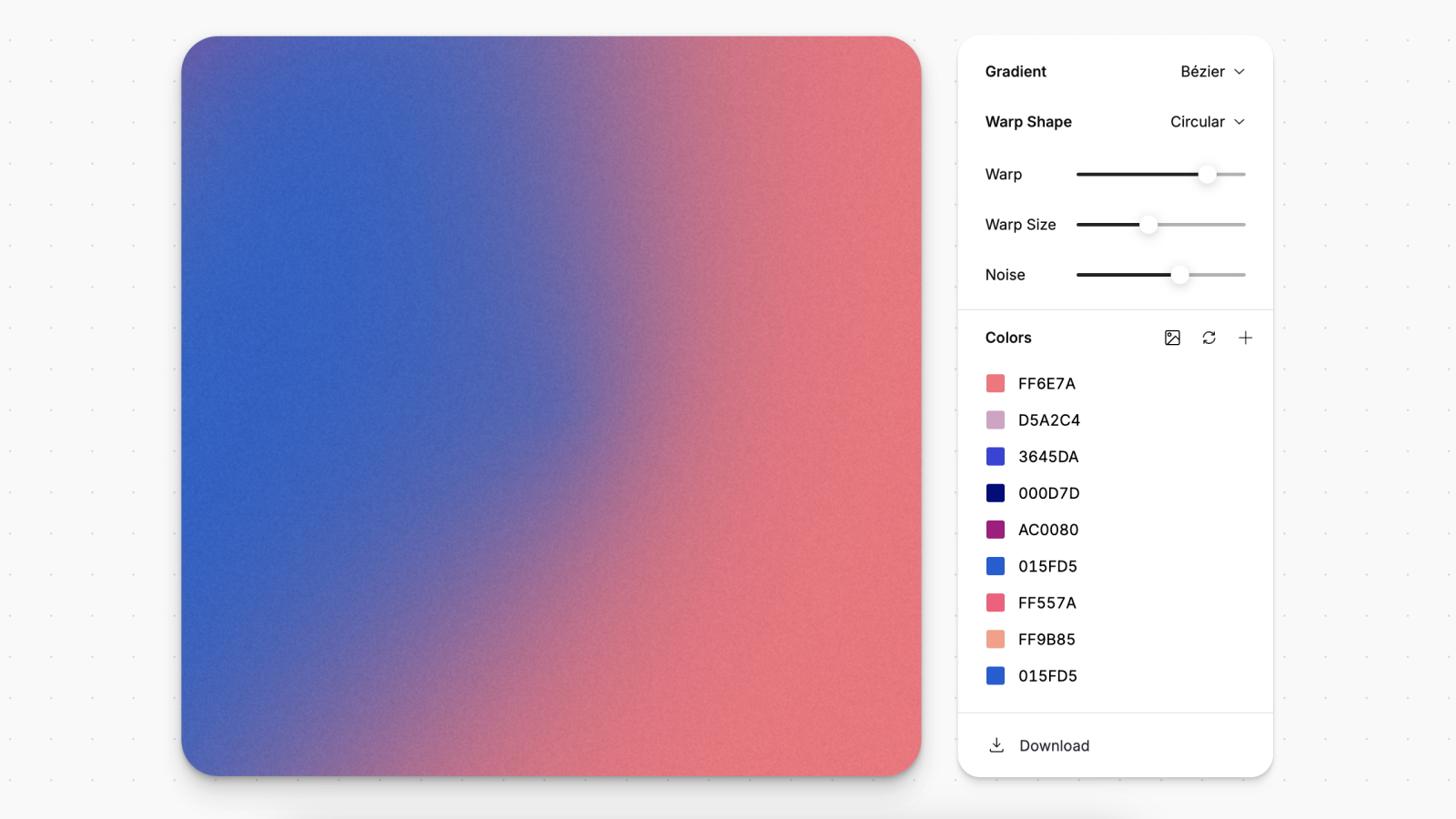
Photo Gradient
Photo Gradient is a web tool that generates gradient color palettes either from user-selected colors or from an uploaded photo.
ryan.ceo·
design
Ryan Vogel
The page is a portfolio website for Ryan Vogel, presenting his work as a software engineer. It serves as an introduction to his background and professional profile.
integrations.sh·
ai
backend
every integration, in every format agents speak
Integrations.sh is a directory of agent-accessible services, including official APIs, GraphQL endpoints, and MCP servers, with structured credential information for integrations. The site focuses on listing “every integration, in every format agents speak.”
heroicons.com·
front-end
design
Heroicons
Heroicons is a library of beautiful, hand-crafted SVG icons created by the makers of Tailwind CSS. It provides downloadable and customizable icon sets for web and UI development.
June 2026
raycast.com·
tools
front-end
Raycast Store: Sleevy - Manage Your Bookmarks
The Raycast Store page for “Sleevy” describes an applet that helps users manage bookmarks by allowing them to add, view, and delete items.
cloud.google.com·
backend
security
How the Open Knowledge Format can improve data sharing
The page explains how Google’s Open Knowledge Format (OKF) standardizes metadata/documentation to make data sharing more secure and reliable, while improving collaboration across teams. It highlights how consistent data descriptions can reduce friction in sharing and reuse of datasets.
github.com·
tools
backend
Twarner491/AvianVisitors: A live bird collage from your window.
The GitHub repository “Twarner491/AvianVisitors” describes a live bird collage that updates from a user’s window. It invites contributions from others to help develop the project.
refero.design·
design
UI/UX Design Inspiration for Your Next Project
Refero is a website that provides a large collection of UI/UX design inspiration, including tens of thousands of screenshots for web and iOS. It offers advanced search capabilities to help users find relevant references for their next project.
useshelf.dev·
tools
front-end
ai
Shelf: Save links to Telegram
Shelf is a small browser extension for saving links in Telegram. Clicking the extension sends the current page to your private bot chat.
Guillermo Rauch@rauchg
http://vercel.com/design.md
aside.com·
ai
tools
front-end
backend
The browser built to do real work for you
Aside is a web browser focused on helping users get complex tasks done across websites, accounts, and browsing history.
transitions.dev·
front-end
design
Essential transitions for web apps
Transitions.dev is a curated collection of essential web app transition patterns that developers can copy and paste into their own projects.
interfacecraft.dev·
design
Interface Craft
Interface Craft is a website for a “working library” aimed at developers committed to designing with uncommon care.
flask.do·
ai
tools
Give Detailed Video Feedback in Minutes, Without Typing
The page describes Flask, a tool for giving detailed video feedback quickly by recording and speaking while the system automatically writes, organizes, and timestamps the feedback into structured, actionable comments, with options for screen/video annotations and sharing references.
stylexjs.com·
design
front-end
tools
StyleX — The styling system for ambitious interfaces
StyleX is a styling system designed for building ambitious user interfaces, and it is described as the styling system that powers Meta.
harshjdhv.com·
front-end
typescript
design
Harsh Jadhav
The page is a personal/professional website for Harsh Jadhav (harshjdhv) describing him as a software engineer in Mumbai. It highlights his work building React UI components and user-facing applications, along with the systems behind them.
Yyoutube.com·
Building an Effect-native MCP Server – Part 1
The YouTube video “Building an Effect-native MCP Server – Part 1” (hosted on www.youtube.com) presents the first part of a walkthrough for building an MCP server, likely covering setup and initial implementation steps.
 originkit.dev