Program Claude Code, Codex, Pi and other agent harnesses with AI SDK
Vercel’s changelog announces AI SDK v7, which adds a unified API for running agent harnesses such as Claude Code and Codex. It supports sandboxed sessions and streaming that’s compatible with AI SDK.
github.com·
ai
tools
mozilla-ai/cq: An open standard for shared agent learning. Agents persist, share, and query collective knowledge so they stop rediscovering the same failures independently.
The GitHub repository “mozilla-ai/cq” describes an open standard for shared agent learning, enabling agents to persist, share, and query collective knowledge to avoid independently repeating the same failures.
t.co·
OpenCode Data
The page appears to provide OpenCode usage data, including market share information and related cost metrics such as token cost and session cost.
t.co·
ai
tools
front-end
typescript
Leonxlnx/lumenshaders: LUMEN, a generative shader studio. 9 WebGL2 art modes plus synth style blending, perfect-loop animation, gradient sets, share codes and PNG/WebM/GIF export. Zero dependencies.
The GitHub repository “Leonxlnx/lumenshaders” describes “LUMEN,” a generative WebGL2 shader studio featuring nine art modes with synth-style blending, perfect-loop animations, gradient sets, share codes, and export to PNG/WebM/GIF with zero dependencies.
shopify.engineering·
ai
backend
Quick: An internal hosting platform for the AI era (2026) - Shopify
Shopify’s internal platform “Quick” enables employees to ship a website in seconds. The page describes how Quick supports faster development and has influenced Shopify’s culture around building and sharing.
github.com·
ai
tools
backend
RyanCodrai/turbovec: A vector index built on TurboQuant, written in Rust with Python bindings
The GitHub repository “RyanCodrai/turbovec” describes a Rust-based vector index built on TurboQuant, with Python bindings. It provides tooling to use the vector index from Python.
Fernando Rojo@fernandorojo
We just launched 𝚟𝚎𝚛𝚌𝚎𝚕-𝚌𝚘𝚖𝚙𝚘𝚜𝚒𝚝𝚒𝚘𝚗-𝚙𝚊𝚝𝚝𝚎𝚛𝚗𝚜: every lesson from the talk below, now available as a skill.
Turn your React code into something you (and your LLM) enjoy working with.
▲ ~/ npx skills add vercel-labs/agent-skills
Andre Landgraf@andrelandgraf
Vibe coding tip:
1) Install agent-browser globally on your machine
2) Add this to your AGENTS.md dev workflow:
After every change, verify all changes with agent-browser and fix any UI/UX issues. Do not stop until all changes have been verified.
github.com·
tools
kitlangton/stack
The GitHub repository page for “kitlangton/stack” invites users to contribute to the project by creating an account on GitHub. The provided information does not describe the repository’s purpose, code, or features.
Lee Robinson@leerob
Some tips to help agents understand your codebase:
1. The source code either needs to be the source of truth, or have something legible as a path to the source. For example, if marketing site content is actually stored in a CMS, you need to either delete the CMS and move that content into code, or make the CMS legible through and MCP, CLI, or skill: https://leerob.com/agents
2. Agents need to be able to verify their work. This includes but is not limited to: using a typed language, having high-quality and fast tests, having a well-configured linter: https://x.com/leerob/status/2026369424450523348
3. You need to have a concise and effective AGENTS.md file, which is included in every message to your agent. Models are quite good now, so some things you can omit as the models know them. You don’t need to say the tests live inside /tests for example. It’s worth asking the models to find things in your codebase and making sure they’re named what the models might expect, otherwise consider refactoring: https://cursor.com/learn/customizing-agents
4. Set up automations which give you suggestions for refactoring code, catching security issues which may have slipped through code review, and optionally continuous documentation of the codebase. You can effectively create a self-driving codebase which gets better while you sleep: https://cursor.com/blog/security-agents
Jacob MG Evans@JacobMGEvans
I almost exclusively use Effect and XState together now when writing TypeScript
baselayer.sh·
backend
ai
How I built the fastest browser infrastructure
The page describes how BaseLayer built high-performance browser infrastructure, achieving 224ms p50 sequential lifecycle latency on Chromium. It covers the use of Firecracker microVMs and snapshot restore to speed up browser startup and lifecycle handling.
blossom-carousel.com·
front-end
tools
Native-first carousel library
Blossom Carousel is a native-first carousel library that enhances native scrolling by adding drag interactions instead of replacing the browser’s default scrolling behavior. The site positions it as focused on improving UX while keeping native performance and behavior.
sitespeed.io·
tools
backend
front-end
Welcome to the wonderful world of Web Performance
Sitespeed.io is an open source web performance analysis and optimization tool that helps evaluate a website’s speed using performance best practices. It focuses on measuring and improving web performance.
dev.to·
typescript
TypeScript Tagged Unions are OP
The page discusses how TypeScript tagged unions can be used to model multiple object shapes more type-safely, improving handling and reducing runtime errors. It explains the approach and likely provides examples of defining and working with tagged union types.
Aiden Bai@aidenybai
Introducing React Native Doctor
Find performance and security bugs in your mobile app
Run via CLI and fix with agents. Fully open source
npx react-doctor@latest
May 2026
gist.github.com·
# Effect Incremental Adoption: opencode Case Study
The page is a GitHub Gist titled “Effect Incremental Adoption: opencode Case Study.” It contains a case study describing an incremental adoption approach for “Effect” (likely the Effect programming ecosystem) using the “opencode” project as the example.
effect.website·
ai
tools
typescript
This Week in Effect - 2026-05-29
The page is a weekly roundup from the Effect documentation site, titled “This Week in Effect” for 2026-05-29, summarizing recent updates and news related to the Effect ecosystem. It likely includes links or highlights of changes released around that week.
The page is the homepage for by Parra, an online store selling exclusive products by artist Parra from Amsterdam. It presents the brand’s EU site for its merchandise.
github.com·
tools
typescript
backend
franciscop/brownies: 🍫 Tastier cookies, local, session, and db storage in a tiny package. Includes subscribe() events for changes.
The franciscop/brownies GitHub repository provides a small library for “tastier cookies” that supports local, session, and database storage. It also includes a subscribe() event mechanism to notify changes.
Dillon Mulroy@dillon_mulroy
how i write effect (Effect.gen vs .pipe)
i use Effect.gen and yield* for business logic and .pipe for composition and simple transforms
github.com·
ai
tools
typescript
design
front-end
backend
signerlabs/ShipSwift: AI-native SwiftUI component library with full-stack recipes — connect via MCP for instant access.
The GitHub repository signerlabs/ShipSwift presents an AI-native SwiftUI component library along with full-stack “recipes.” It also notes that you can connect via MCP for instant access.
reddit.com·
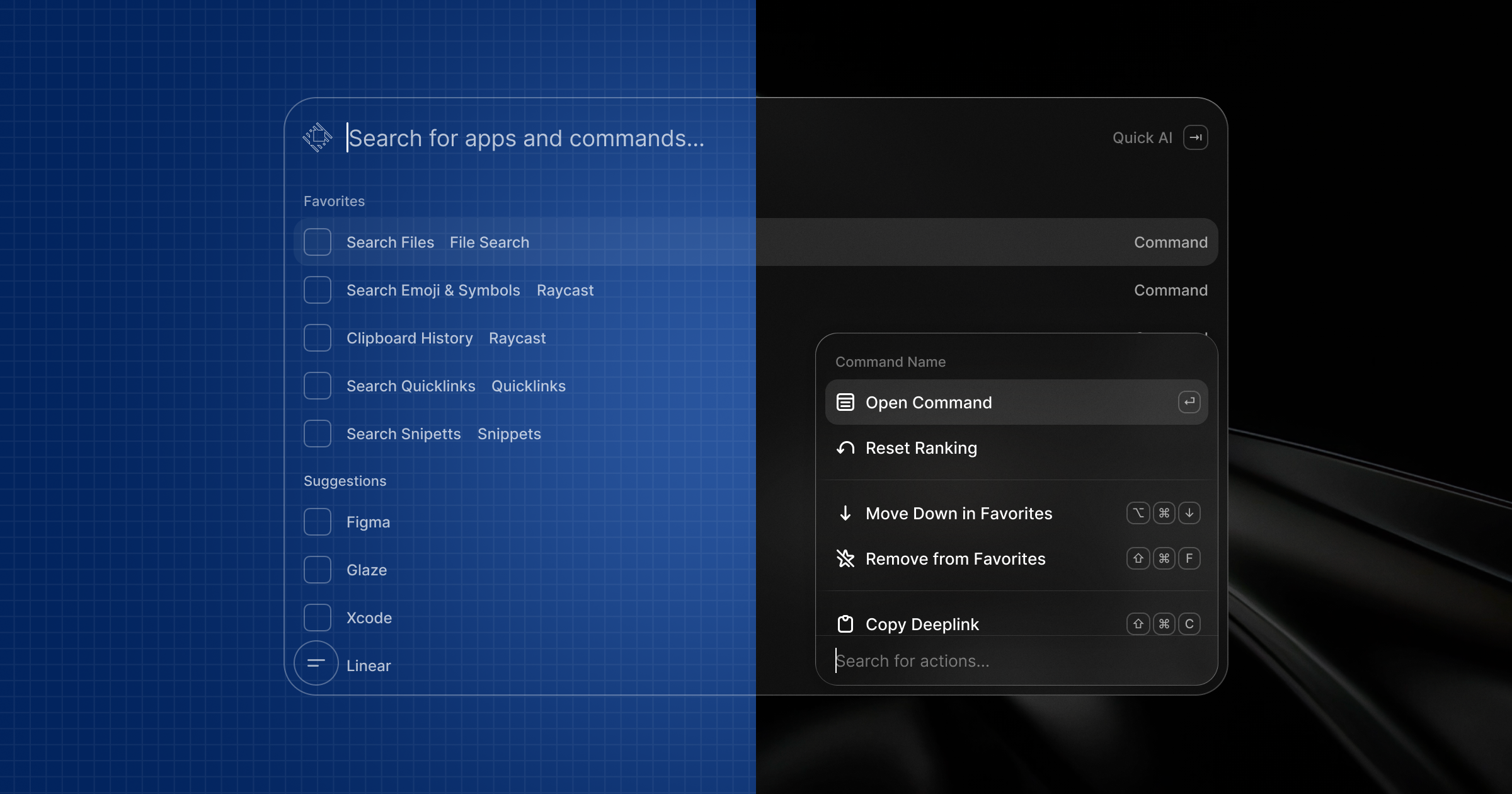
V2 Beta 0.61 Out, Huge Changelog! : r/raycastapp
This Reddit post announces “V2 Beta 0.61” for Raycast and highlights that it includes a large set of changes. The thread likely contains user discussion, reactions, and links/details about the update.
This GitHub pull request proposes adding the “Sleevy” Raycast extension to the raycast/extensions repository. It includes commands to save the current clipboard URL to Sleevy (“Add Sleeve It”) and to add/manage items in the user’s library (“Add Your Library”).
speakinginswift.substack.com·
tools
typescript
backend
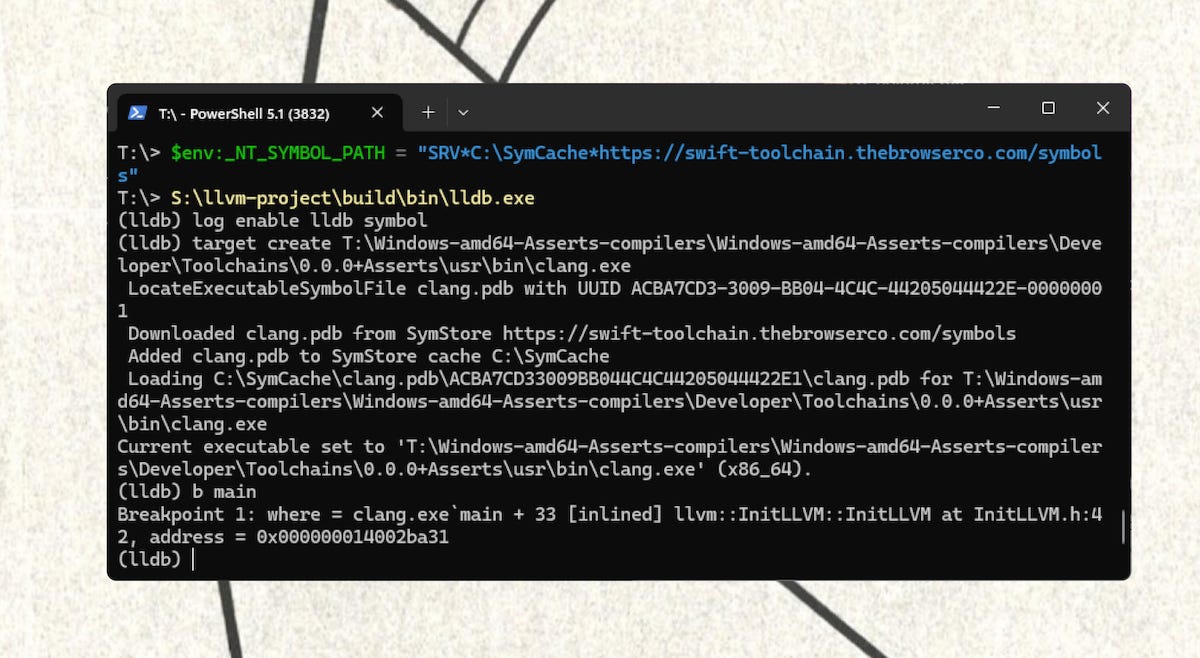
A Public Symbol Server for Swift on Windows
The article describes the Browser Company hosting its own Swift toolchain builds for Windows and proposes or details a public symbol server for Swift to support debugging and symbolication. It focuses on the infrastructure and purpose of serving Swift symbols.
Pedro Duarte@peduarte
gif search
caffeinate
downloads manager
cursor agents
cleanshot x
vercel
fancy text
set audio device
tinypng
fathom analytics
developer.chrome.com·
front-end
design
Moderne webrichtlijnen | Modern Web Guidance | Chrome for Developers
De pagina “Modern Web Guidance” op Chrome for Developers biedt richtlijnen voor het bouwen van webapplicaties voor het moderne web. Het behandelt best practices en aanbevelingen voor onder andere prestaties, betrouwbaarheid en webplatform-compatibiliteit.
performance.dev·
ai
backend
front-end
design
tools
How's Linear so fast? A technical breakdown
The page explains why Linear feels fast by detailing its architecture, including local-first synchronization, MobX observables, and strategies that enable instant first loads. It also highlights a keyboard-first interaction model as part of its perceived responsiveness.
github.com·
tools
typescript
front-end
AndrewPrifer/liquid-dom
The GitHub repository “AndrewPrifer/liquid-dom” hosts the project’s code and development workflow, inviting contributors to create a GitHub account to contribute. The provided page details do not include specific documentation or functionality beyond the repository listing.
developer.mozilla.org·
front-end
light-dark() CSS function - CSS | MDN
MDN documents the CSS `light-dark()` function, which takes two colors (or two images) and returns one based on the user’s active color scheme. It enables scheme-based styling without using a `prefers-color-scheme` media query.
developer.mozilla.org·
front-end
design
contrast-color() CSS function - CSS | MDN
The MDN page documents the CSS `contrast-color()` function, which takes a color value and returns a contrasting color, typically aiming to meet WCAG AA minimum contrast. It notes that browser implementations may use different algorithms to determine the best contrast.
2026.stateofai.dev·
ai
tools
State of AI 2026: Other Tools
The page is a section of the “State of AI 2026” site that lists and describes various additional AI-related tools/resources beyond the main categories. It presents links and brief overviews to help readers discover other platforms and utilities.
typeonce.dev·
typescript
backend
Most common effect patterns | Effect: Beginners Complete Getting Started
The page explains common production patterns for Effect, including using a custom Runtime from the beginning. It is part of the “Effect: Beginners Complete Getting Started” course focused on building type-safe TypeScript apps with Runtime, Layer, Config, and related concepts.
blog.cloudflare.com·
ai
security
backend
Project Glasswing: what Mythos showed us
The Cloudflare blog describes “Project Glasswing,” where the company tested Mythos and other security-focused LLMs by applying them to live code across critical parts of its infrastructure. It reports observed strengths and weaknesses and discusses what work is needed to make such approaches scalable.
parthjadhav.com·
ai
design
tools
AI-Powered Marketing Screenshots
The page describes an AI-powered tool for generating production-ready App Store and Google Play screenshots. It emphasizes ad-first design, supports every resolution, and claims Apple approval.
raycast.com·
tools
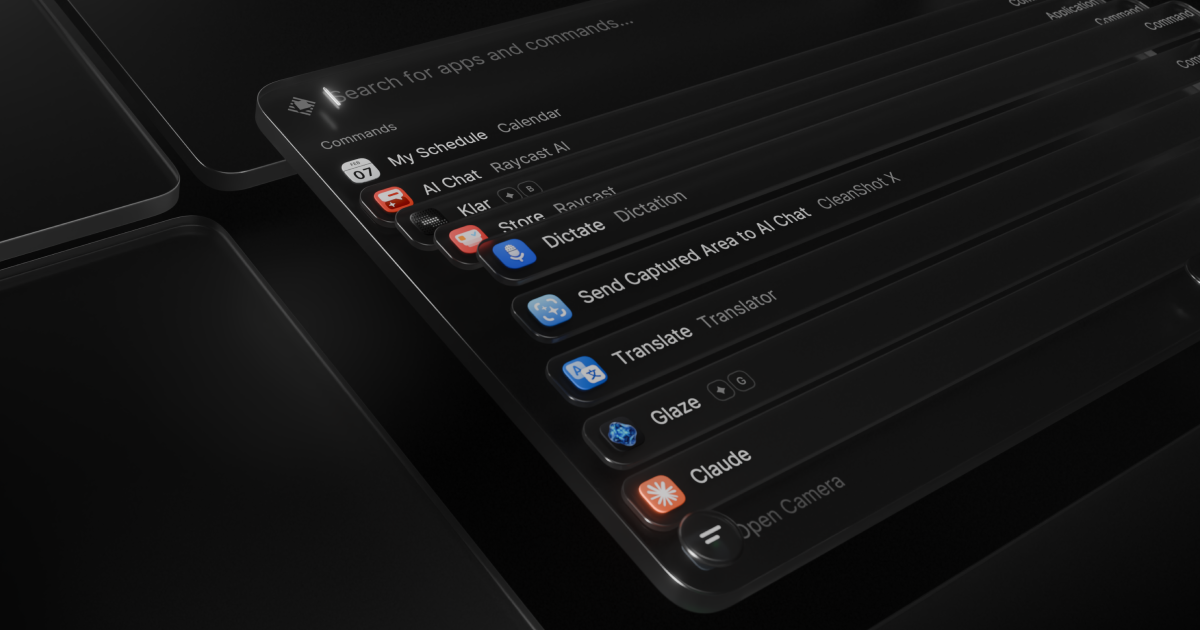
The New Raycast - Raycast Blog
The Raycast blog post introduces the next generation of Raycast for macOS, presenting what’s new and improved. It highlights the launch/announcement of the new Raycast experience.
github.com·
front-end
tools
design
backend
ShadowArcanist/netviz: A browser-based app for designing network architectures visually.
ShadowArcanist/netviz is a GitHub-hosted, browser-based application for visually designing network architectures.
foldkit.dev·
typescript
front-end
ai
TypeScript Frontend Framework Built on Effect-TS | Elm Architecture
Foldkit.dev is a TypeScript frontend framework built on Effect-TS that follows The Elm Architecture (single state tree, pure update functions, and explicit side effects). It also emphasizes type-safe routing and positions itself as an alternative to React for correctness-focused teams.
blog.sbensu.com·
design
backend
APIs as ladders
The post argues that API learning can be improved by designing an “API ladder” tailored to different skill levels. It explains how to structure APIs to be approachable for beginners while still supporting advanced use cases.
raycast.com·
design
front-end
tools
backend
A Technical Deep Dive Into the New Raycast - Raycast Blog
The Raycast Blog post describes the technical story behind Raycast’s cross-platform rewrite and highlights the engineering choices that make the new app feel fast, delightful, and familiar.
github.com·
backend
security
tools
umami-software/umami: Umami is a modern, privacy-focused analytics platform. An open-source alternative to Google Analytics, Mixpanel and Amplitude.
The GitHub repository umami-software/umami describes Umami as a modern, privacy-focused analytics platform. It is positioned as an open-source alternative to Google Analytics, Mixpanel, and Amplitude.
mobbin.com·
ai
tools
design
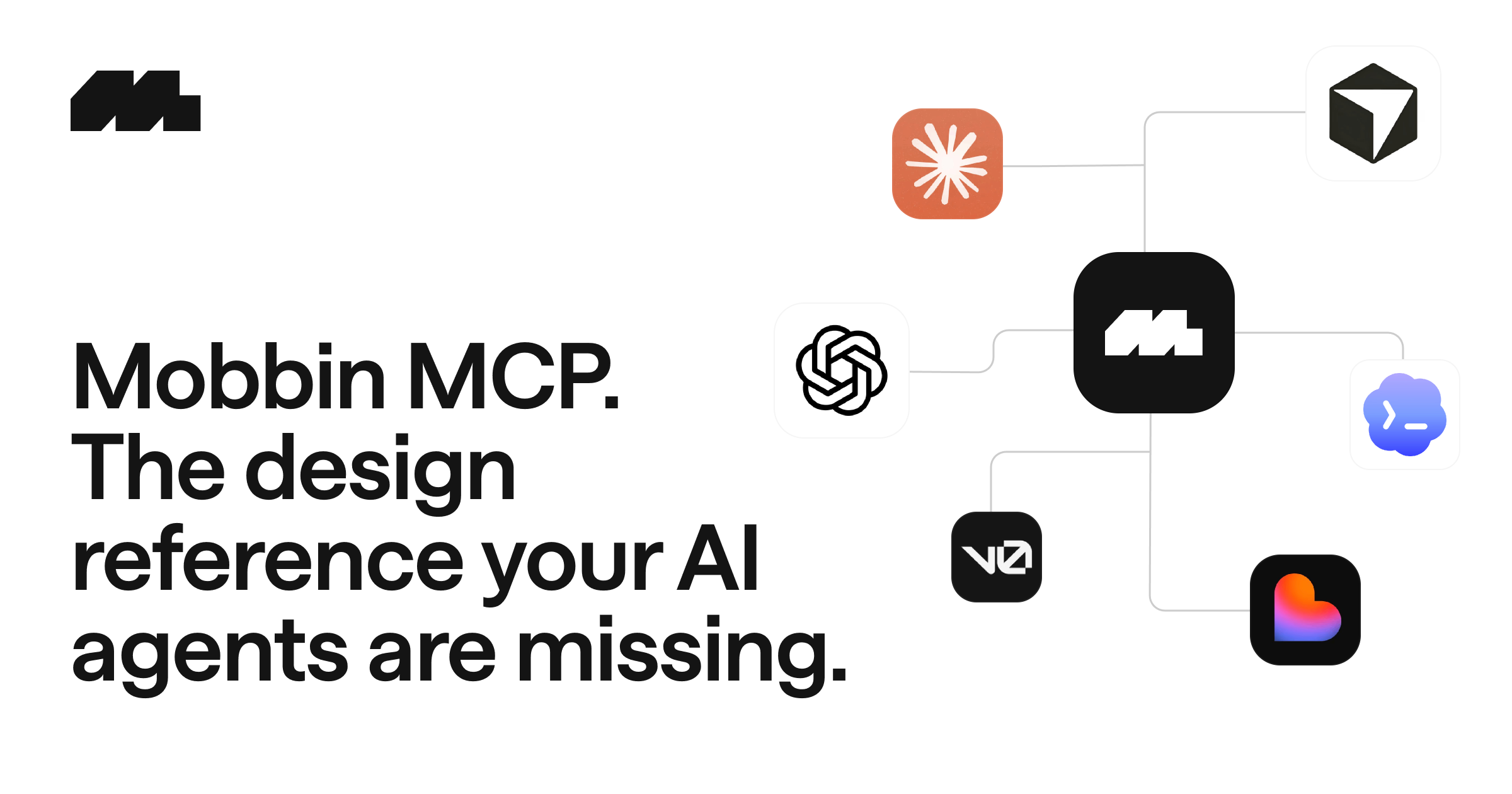
Mobbin MCP — Design reference for AI agents
Mobbin MCP is an interface that connects AI agents to Mobbin’s library of 600,000+ real screens from shipped products. It aims to help developers build agent experiences using established design patterns rather than speculation.
Yyoutube.com·
MSI® HOW-TO update BIOS using M-FLASH ?
The YouTube video “MSI® HOW-TO update BIOS using M-FLASH ?” shows how to update an MSI motherboard BIOS using the M-FLASH feature. It likely walks through the steps of preparing the BIOS file and performing the update.
reddit.com·
design
front-end
[ui] WIP on a clean UI. : r/WowUI
The Reddit post shares a work-in-progress World of Warcraft UI with screenshots and discusses the creator’s attempt to achieve a clean, minimal look.
skills.sh·
tools
react-doctor — aidenybai/react-doctor
The page describes the “react-doctor” project (aidenybai/react-doctor), a tool intended to run before committing React code or when finishing a feature and fixing bugs. It checks code quality and helps clean up a codebase to improve React code health.
hashvatar.com·
front-end
deterministic avatars from any hash
Hashvatar lets you generate deterministic, unique avatars from any input string (e.g., wallet addresses or usernames) using zero dependencies. It offers gradient and dither modes and provides React and vanilla JavaScript usage.
lightpanda.io·
ai
The headless browser
Lightpanda.io presents “The headless browser,” an AI-native browser built from scratch (not a fork) for automated web access. It claims significantly improved performance and resource usage versus Chrome headless, emphasizing fast, scalable web automation with low memory footprint.
github.com·
ai
slkiser/opencode-quota: OpenCode quota & tokens usage with zero context window pollution. Supports OpenCode Go, Cursor, GitHub Copilot, OpenAl (Plus/Pro), Kimi Code, Alibaba Coding Plan, Chutes Al, Google Antigravity, Z.ai Coding Plan and more.
slkiser/opencode-quota is a GitHub repository for tracking OpenCode quota and token usage while minimizing “context window pollution.” It supports multiple coding AI services/tools, including OpenCode Go, Cursor, GitHub Copilot, OpenAI (Plus/Pro), Kimi Code, Alibaba Coding Plan, Chutes Al, Google Antigravity, and Z.ai Coding Plan.
npmx.dev·
tools
better-result
better-result is an npm package providing a lightweight Result type for JavaScript/TypeScript, designed to support generator-based composition.
 vercel.com