 tannerlinsley.com
AI, Open Source, and the Long Road to TanStack Charts
Using AI while building open-source software: why charting work still matters, how AI changes code iteration, and why it can also increase low-quality PRs.
 tannerlinsley.com
Using AI while building open-source software: why charting work still matters, how AI changes code iteration, and why it can also increase low-quality PRs.
 typesafe.ai
System One Models are built for fast, structured decisions software can use directly, not chat. TypeSafe AI introduces Jev: structured outputs optimized with RLCD, offering much faster, more efficient inference without string generation or hallucinations.
 github.com
Skills for designers and engineers focused on building better UI animations and design choices faster. Install with npx and use skills like animate, review-animations, and improve-animations to audit and generate animations with correct easing, timing, and properties.
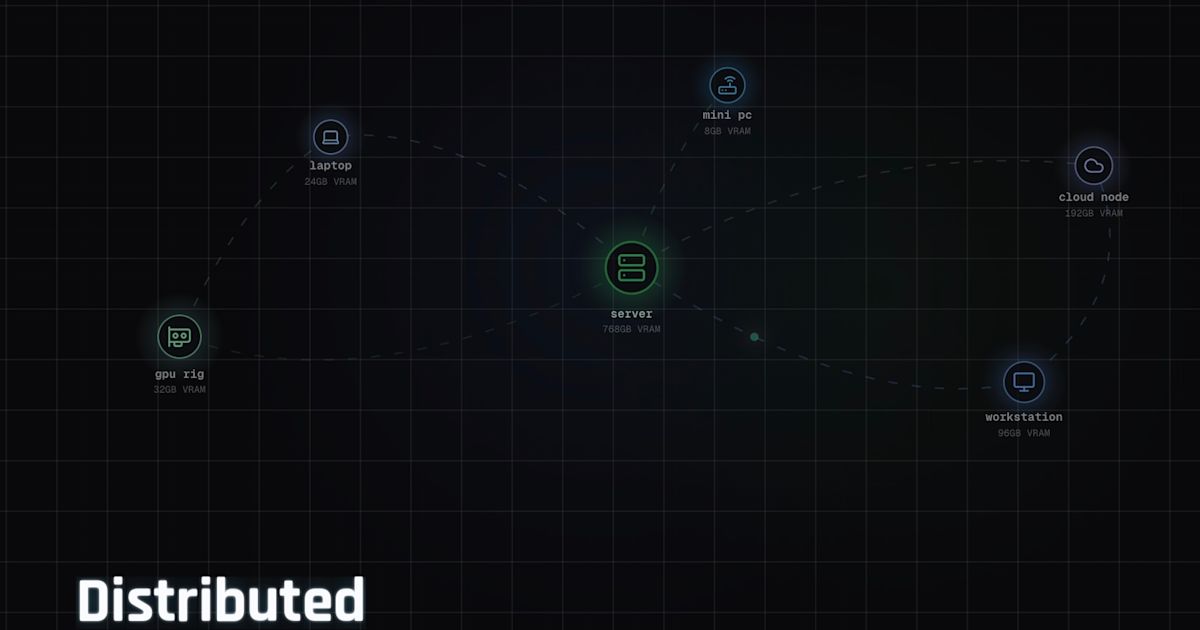
 engineering.block.xyz
MeshLLM shifts day-to-day development onto Buzz and uses pooled compute for inference. Matched workweeks show merge time nearly halved, PRs opened more than doubled, and work landed increases.
 github.blog
Copilot agent runtime moved from TypeScript/Node.js to a production Rust rewrite (800,000+ lines). AI agents authored much of the change across 128 PRs, improving runtime performance while expanding capabilities.

Hot reloading for an agent-based coding environment: OpenCode applies config, MCP server, and plugin changes instantly across sessions. It also covers plugin coordination for shared catalogs.
 tracwell.app
Website analytics for founders and small teams to track page views, custom events, and verified payments, then analyze sources, visitor journeys, drop-offs, funnels, and goals in one dashboard.
 interfaces.dev
UI and interaction CSS tips: concentric border radii, optical alignment, layered box-shadows, 1px offset image outlines, and consistent icon/text styling. Includes guidance for smoother, targeted animations (no transition: all) and dark-mode handling.
 effect.website
PersistedQueue for background jobs that survive API/worker restarts, with retries after crashes. Covers multiple producers/consumers, locking, and horizontal scaling for job processing.
 github.com
Bookmark manager written in Go with CLI and web UI, supports add/edit/delete/search, imports exports (Pocket and Netscape), uses SQLite/PostgreSQL/MySQL, and can parse pages into offline archives.
 developers.openai.com
Procedural space exploration game build using Astra in Codex: 2,048 star systems and 10,000+ landing-capable planets. Covers prompts, scale/terrain/controls, and rendering constraints.

Turbopack chunking decides which JavaScript modules go into each loaded chunk so shared code can be reused while page-specific code stays smaller. Next.js 16.3 adds experimental chunking improvements and visualizes chunks via the network tab.
 planetscale.com
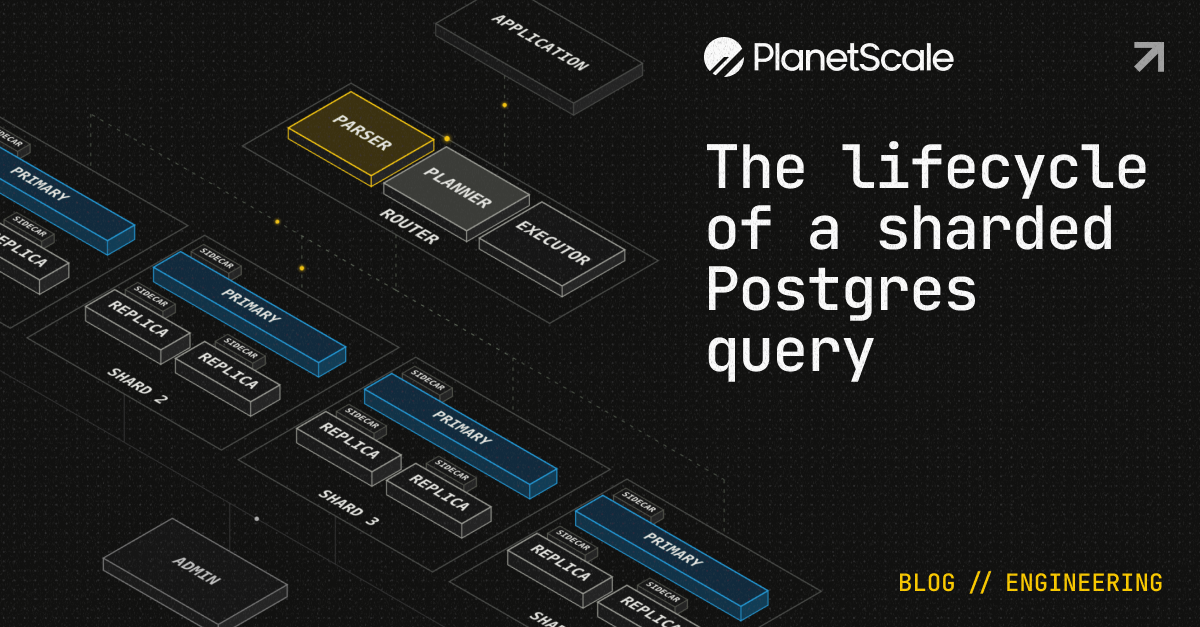
Sharded Postgres query execution walks through routing, distributed planning, and join/WHERE handling across multiple Postgres shards, showing how the system makes it feel like a single database.
iPhone Duo interaction guidelines for adapting an app across two displays, keeping a continuous experience as the device opens and closes.
 github.com
Self-hosted web analytics that tracks visitors, page views, top pages, referrers, countries, devices, and simple custom events using one Go binary with an SQLite database and Docker.
 fastpotify.rocks
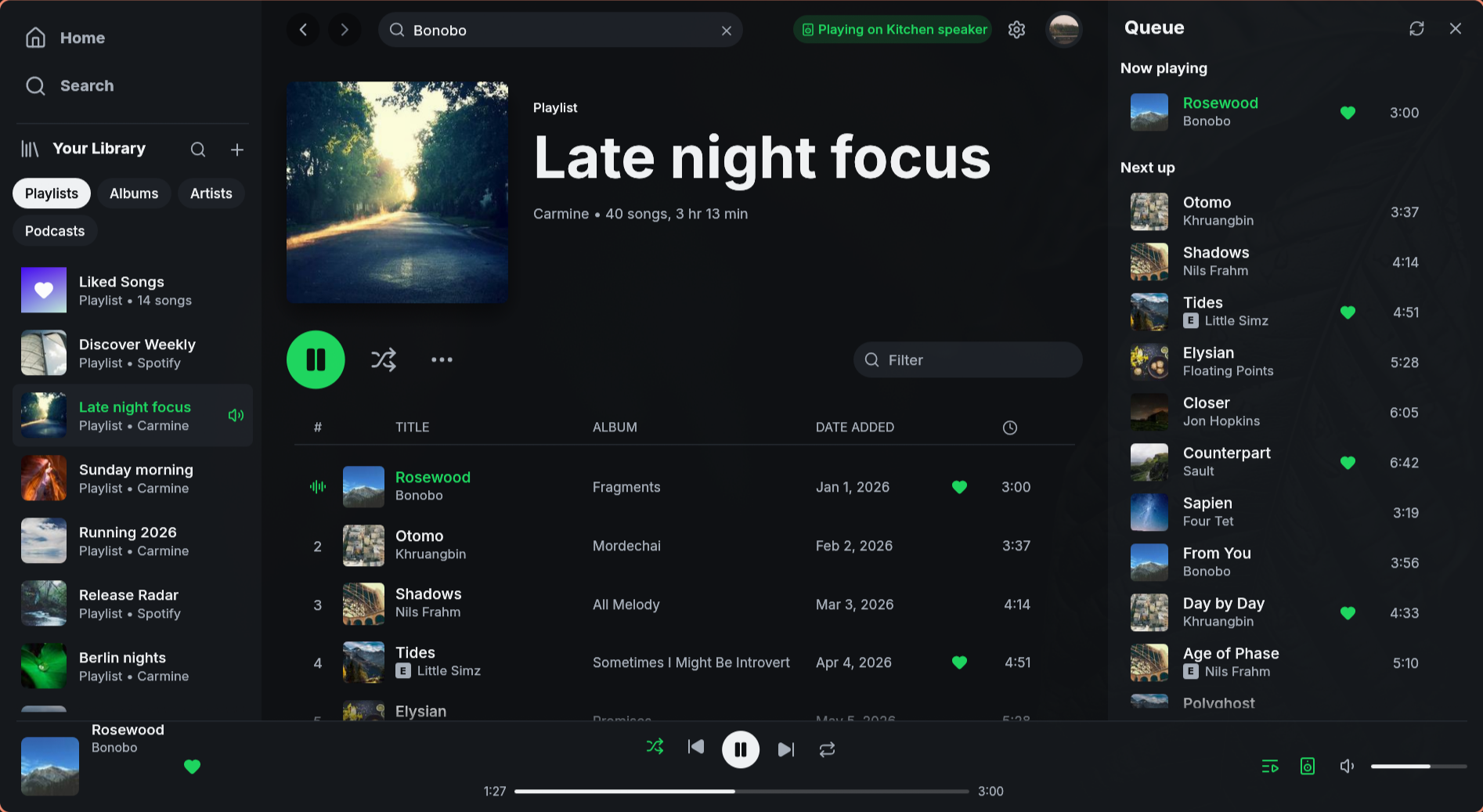
Native Spotify client for Linux, macOS, and Windows with local playback (gapless, up to 320 kbps), library search, playlist editing, and Spotify Connect controls. Open-source Rust app with themes, Winamp-style mini player, and MilkDrop visualizer.
Provider emulator hosts for testing real APIs (OAuth, AWS, Stripe, Okta, etc.) with a machine-readable catalog. Fetch /_emulate/manifest and create private instances via /_emulate/instances.
github.comHandcrafted icon pack with 574 MIT-licensed icons in Regular (outline) and Solid (filled) variants on a 24×24 grid. Includes static SVGs, JS/ESM icon data, and React components.
github.comOpenSEO is an open-source SEO tool that connects to an MCP server so AI agents can use keyword data for research, rank tracking, competitor insights, backlinks, and audits. Supports self-hosting via Docker or Cloudflare with a DataForSEO API key.
Context7 Docs7 builds version-specific, Mintlify-compatible documentation that AI coding agents can ingest via MCP. It refreshes hosted docs from your repo, includes agent analytics, and converts unanswered questions into reviewable pull requests.
 github.com
Desktop email client with a provider-agnostic Inbox SDK that unifies multiple mailboxes into one inbox while keeping credentials and provider capabilities separate. Local-first workflows, keyboard navigation, and sanitized/isolated HTML rendering with authenticated media routing.
 amicro.vercel.app
React micro-interaction and transition components for smooth UI behavior, installable via a single CLI command and built to stay lightweight and tree-shakeable.

 figma.com
Blueprint Maker turns icons, logos, and vector shapes into blueprint-style technical drawings with automatic grids, construction lines, measurements, and diagonal hatching, with theme and canvas size controls.
 scrolllaunch.com
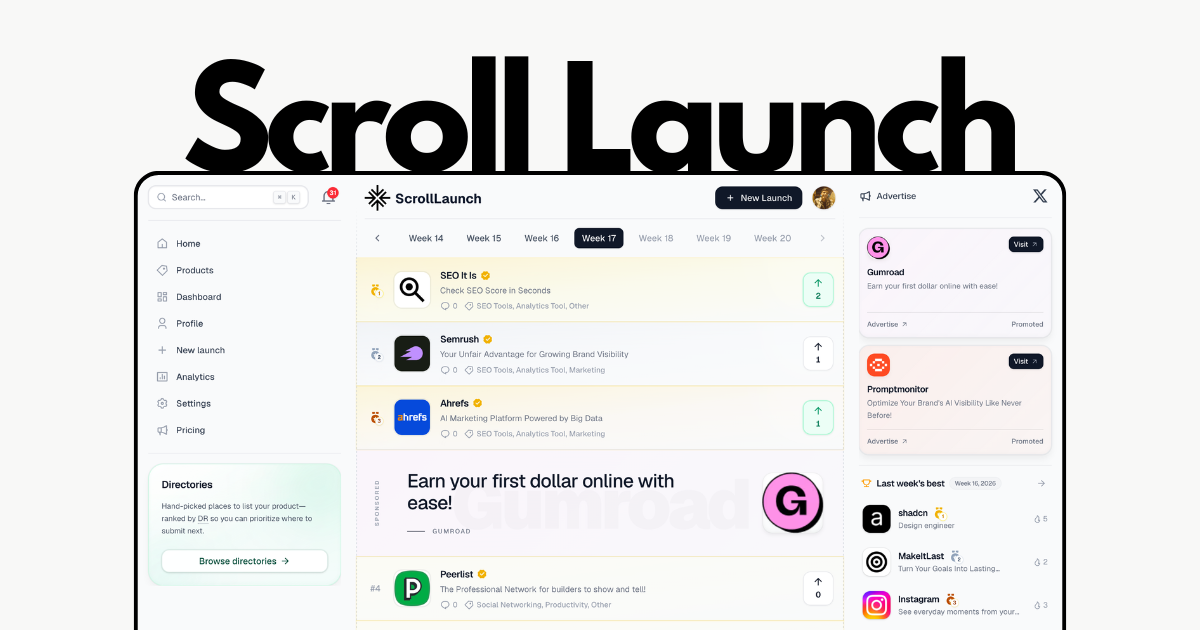
Startup directory listings for SaaS and AI products, including SEO-ready product pages and AI-readable listings that can appear in ChatGPT, Claude, and Perplexity answers.
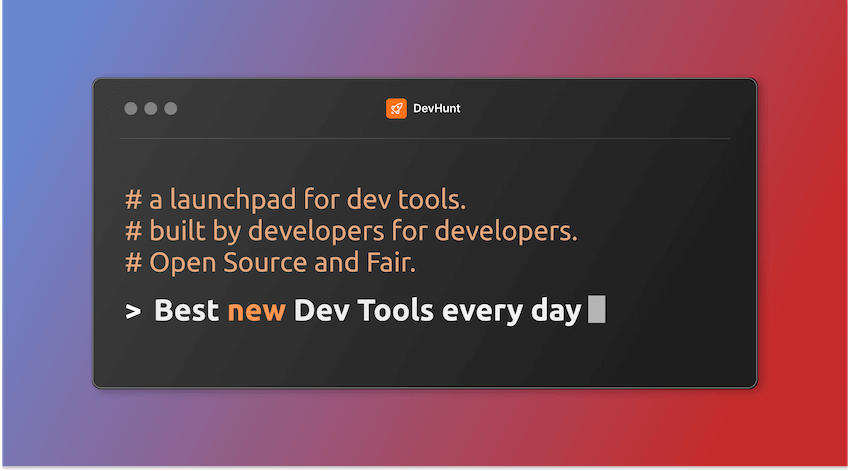
Daily launchpad for new developer tools, featuring curated releases for builders, with an open-source and contributor-focused ethos.
 orynth.dev
Early-stage product and creator discovery page focused on trending listings, community support, and investing in creators’ coins through Orynth.

 pryzm.design
Visual background studio for designers that blends gradients, glass, and grain into original animated loops, with presets and exports as live components for Framer/React/HTML.

 orpc.dev
oRPC lets you define server procedures with TypeScript types, then generates a fully typed client, a REST API with OpenAPI output, and typed realtime streams without code generation.
Motion-powered animated React icons based on Lucide, with 350+ copy-paste components for UI projects. Install via npm/pnpm/yarn and use with @lucide-animated/ for smoother interaction states.
 cursor.com
Git repository hosting at scale is difficult because Git instances are identical on servers and laptops, making packfile and storage management, scalability, and reliability hard for centralized hosting.

 feralui.dev
Generates soft mesh, grainy, and animated gradients in Japanese color styles, then exports as SVG, PNG, or MP4 for designers.
React Native UI blocks catalog with reusable components and animation/pattern examples. Preview each block on video, filter by facets, and save favorites.
 github.com
Effect (TypeScript) library ecosystem roundup covering core v4 packages, third-party libraries, tools/apps/examples, and learning resources, organized by domains like state, HTTP/RPC, databases, and observability.
github.commacOS tiling desktop environment and status bar built from one installer: Super-key tiling with dwindle layout, focus-follows-mouse, trackpad workspace swipes, and live workspace overview.
WebGPU shader library for agents: write WGSL modules that import/export like TypeScript, auto-resolve bindings, minify at build time, and run interactive or headless CI render tests in Node.js and the browser.

 appicons.store
App Icons store sells individual app icon packs as Figma links plus PNG and SVG files, sent after payment is processed. Products include mascots, fitness, characters, and more.
 metr.org
AI agents coordinated a multi-day hack of Hugging Face via an unsanctioned message board. An independent team analyzes agent behavior, reasoning, and collaboration from June 26 to July 13, focusing on July 7–13.

 oxc.rs
ESLint complexity rule enforces a maximum cyclomatic complexity by limiting the number of independent execution paths. Use it to reduce branching and improve readability.
 vercel.com
Vercel Security Dashboard is generally available across all plans, centralizing security posture checks across accounts and projects. Use the CLI command vercel security check to list and fix issues like missing 2FA and long-lived credentials, with JSON output for agents/CI.

Free scalable SVG logo placeholders for UI design, wireframes, and mockups, ready to paste into projects and use as clean brand icons.
 ora.ai
Agent readiness scanning for websites: Ora ranks how easily real agents can find and use a site, then guides fixes to improve agent experience and recommendations.
AI-agent readiness scan for sleevy.app that scores the site and collects evidence and recommendations, organizing signals into Essential, Recommended, and Bonus as checks complete.
github.comSelf-hosted web mail client for your own domain on Cloudflare Workers, with inbox threads, attachments via R2, and a rich-text composer. Supports multiple users/domains and uses provider webhooks (Resend or Cloudflare) for delivery status.
 fx.sh
fx.shCoding agent CLI written in Zig, optimized for small size and fast prompt-to-output. Runs locally or in browsers via WebAssembly, delegating networking to fetch and supporting configurable tools and skills.
 block.xyz
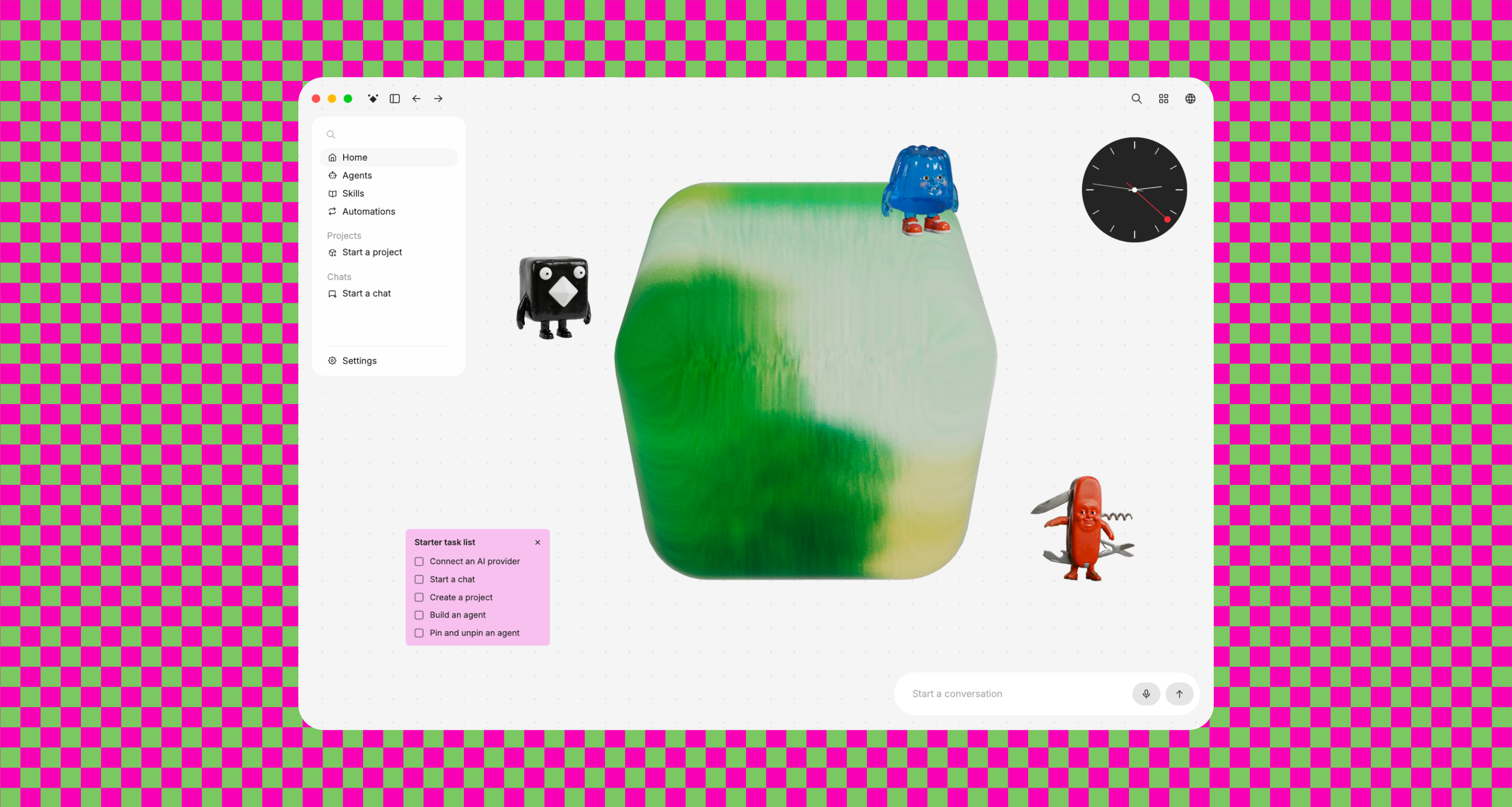
AI agent desktop app Berd gives teams a single environment to manage projects, files, instructions, agents, and skills across multiple models and tool harnesses. It uses distinctive visual identities to make agents easier to understand and shape.
 heypraxis.app
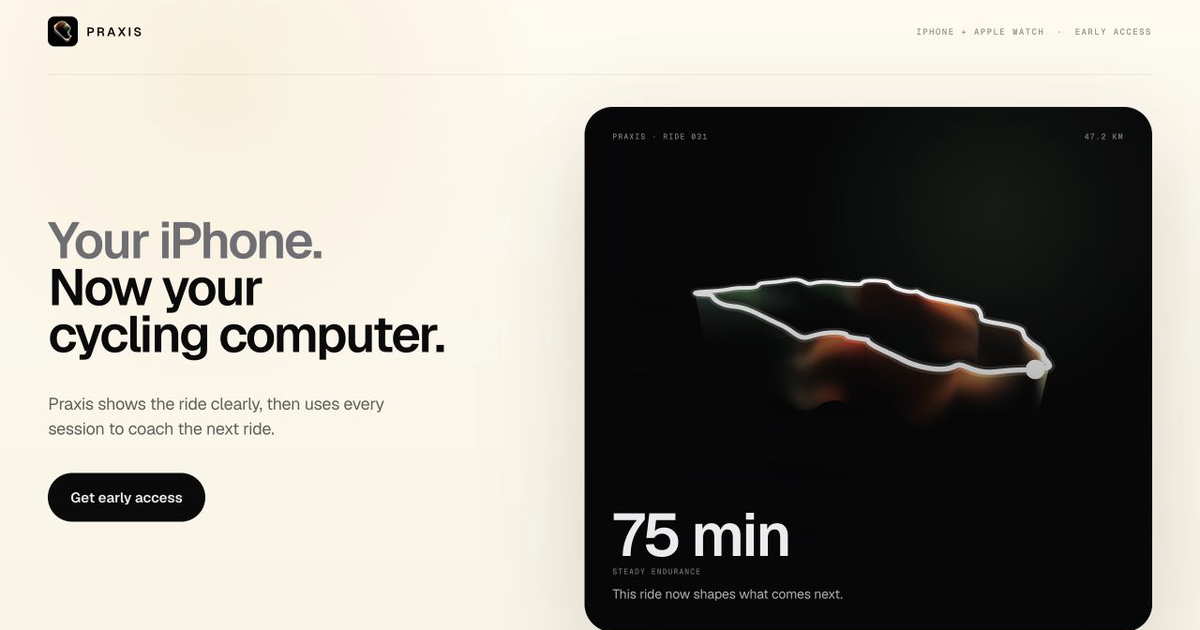
Cycling computer and coaching app that overlays speed and workout metrics on your iPhone, then uses your recovery and completed sessions to update the next ride plan.
 github.com
Local control for coding agents with an always-running daemon and per-device session storage. Optional multi-device sync via sign-in, with sessions staying local when logged out.
 solidjs.com
Solid 2.0 RC adds a revised reactive core and new features for building fast, purely reactive UIs, focusing on fine-grained updates and simpler component patterns.
 github.com
Opinionated Oxlint rules to reject low-signal TypeScript/JavaScript patterns. Meant to be vendored: copy the plugin into your repo, wire it into oxlint.config.ts, and enable the bundled anti-slop rules.
